Covina homeowners know the frustration: water pooling in the shower, a kitchen sink that drains like molasses, or worse, a backed-up toilet. Drain clogs aren’t just annoying: they can lead to water damage, foul odors, and expensive emergency calls if left unchecked. But not every slow drain requires a plumber’s visit. With the right tools, techniques, and a bit of know-how, many clogs can be cleared at home. This guide walks through the most common drain issues in Covina, proven DIY methods, and when it’s time to call in the pros.
Table of Contents
ToggleKey Takeaways
- Hair, grease, and tree roots are the most common drain cleaning issues Covina homeowners face, but many clogs can be resolved with basic DIY methods like boiling water, baking soda and vinegar, or a plunger.
- Natural drain cleaning solutions such as boiling water and baking soda-vinegar treatments are safer and more effective for most clogs than harsh chemical cleaners, which can damage older pipes and septic systems.
- A drain snake or plunger can clear stubborn clogs up to 25 feet down the line, but professional drain cleaning in Covina is necessary for main sewer line backups, recurring clogs, or sewage odors that indicate deeper issues.
- Simple preventative maintenance—using drain screens, avoiding grease buildup, and monthly baking soda-vinegar flushes—prevents 90% of drain clogs and saves homeowners from expensive emergency plumber calls.
- For homes over 30 years old or properties with mature trees near sewer lines, annual professional inspections catch root intrusion and pipe deterioration early, preventing costly failures.
Common Drain Problems Covina Homeowners Face
Covina’s mix of older homes and newer construction means drain problems vary, but a few culprits show up repeatedly.
Hair and soap scum are the leading causes of bathroom sink and shower clogs. Hair binds with soap residue, forming a fibrous mass that catches more debris over time. You’ll notice slow drainage first, then standing water.
Grease and food particles dominate kitchen sink issues. Even with a garbage disposal, grease solidifies in pipes as it cools, trapping coffee grounds, eggshells, and other debris. This builds up gradually until water backs up into the basin.
Tree root intrusion affects older properties with mature landscaping. Roots seek moisture and can infiltrate clay or cast-iron sewer lines through hairline cracks. Symptoms include multiple slow drains, gurgling toilets, and soggy patches in the yard.
Mineral buildup occurs in areas with hard water. Calcium and magnesium deposits narrow pipe diameter over years, reducing flow. This is more common in galvanized steel pipes found in pre-1960s homes.
Foreign objects, think toys, hygiene products, or excessive toilet paper, cause sudden, complete blockages. These require immediate action to prevent overflow or pipe damage.
DIY Drain Cleaning Methods That Actually Work
Homeowners can tackle most minor to moderate clogs with a few basic tools and techniques. Always start with the least invasive method and work up.
Natural Drain Cleaning Solutions
Before reaching for harsh chemicals, try these safer alternatives.
Boiling water works for grease-based clogs in metal or PVC drainpipes (never use on PVC traps under sinks, the heat can soften joints). Boil a full kettle and pour in two to three stages, allowing 10–15 seconds between pours. The heat liquefies grease so it flushes through.
Baking soda and vinegar is the classic combination. Pour half a cup of baking soda down the drain, follow with half a cup of white vinegar, then cover the drain opening. The fizzing reaction helps dislodge organic matter. After 15 minutes, flush with hot tap water. This method works on light clogs and doubles as a deodorizer, though it won’t cut through solid obstructions.
Salt and baking soda paste adds abrasive action. Mix half a cup of each, pour down the drain, let sit for 20 minutes, then flush with boiling water. Effective for soap scum and light grease.
Skip commercial chemical drain cleaners when possible. They generate heat and caustic reactions that can damage older pipes, harm septic systems, and pose serious safety risks if they splash.
Mechanical Tools for Stubborn Clogs
When natural methods fail, it’s time for hands-on tools.
A cup plunger creates pressure and suction to dislodge clogs. For sinks, plug the overflow hole with a wet rag first, otherwise you’ll just push air around. Fill the basin with enough water to cover the plunger cup, center it over the drain, and pump vigorously 15–20 times. For toilets, use a flange plunger with an extended rubber cup designed to seal the curved trap.
A drain snake (hand auger) reaches clogs 15–25 feet down the line. Feed the cable into the drain, turning the handle clockwise as you push. When you hit resistance, rotate and push-pull to break up or hook the clog. Pull out slowly, you’ll often extract hair clumps or debris. Clean the cable after each use to prevent corrosion. Similar plumbing fixes require patience and steady pressure rather than brute force.
A power auger (drum auger) handles tougher blockages in main drains or sewer lines. These electric or drill-powered tools spin a heavier cable at higher speed. Rent one for $40–$60 per day if you’re comfortable with power tools, but read the manual carefully, improper use can puncture pipes.
Removing and cleaning the P-trap solves many sink clogs. Place a bucket underneath, loosen the slip nuts by hand or with slip-joint pliers, and slide the trap free. Clear out debris, check the trap and tailpiece for cracks, then reassemble. Hand-tighten the nuts, then give them a quarter-turn with pliers, overtightening can crack plastic traps.
When to Call a Professional Drain Cleaning Service in Covina
Some situations demand professional equipment and expertise. Don’t turn a manageable problem into a costly repair by waiting too long.
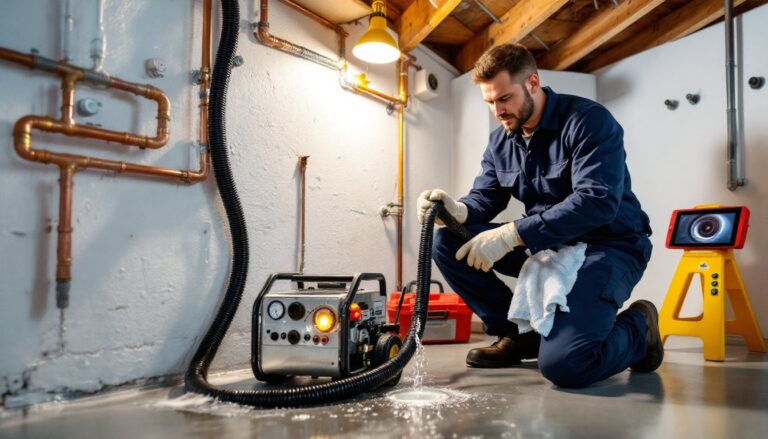
Multiple drains backing up simultaneously signals a main sewer line clog or blockage. This is beyond DIY scope, professionals use motorized sewer augers and hydro-jetting equipment to clear main lines.
Recurring clogs in the same drain suggest a deeper issue: pipe misalignment, severe scale buildup, or root intrusion. A licensed plumber can run a video camera inspection to pinpoint the cause.
Sewage odors or standing water in the yard indicate a compromised sewer line. This requires immediate professional attention to prevent contamination and foundation damage.
Clogs in older homes with cast iron or clay pipes carry higher risk. These materials corrode and crack over time, making aggressive DIY methods risky. A pro can assess pipe condition before attempting a clear.
When hiring a drain cleaning service, look for licensed contractors with liability insurance and clear pricing. Platforms that match homeowners with local service providers can help compare quotes and read verified reviews. Many top-rated drain specialists offer free estimates and warranty their work.
Avoid companies that quote over the phone without seeing the problem, push hydro-jetting for every issue (overkill for simple clogs), or lack proper licensing. In California, plumbers performing work over $500 must hold a C-36 license.
Preventative Maintenance Tips to Keep Your Drains Clear
An ounce of prevention beats a pound of drain snake. These habits drastically reduce clog frequency.
Use drain screens in all sinks, tubs, and showers. Mesh or silicone screens catch hair, food particles, and debris before they enter the pipe. Clean them weekly, it takes 30 seconds and prevents 90% of bathroom clogs.
Never pour grease down the drain. Let it cool in a can or jar, then toss it in the trash. Wipe greasy pans with paper towels before washing.
Run hot water for 20–30 seconds after each kitchen sink use to flush small particles and keep grease moving. Once a week, pour a kettle of boiling water down the drain as preventative maintenance.
Flush drains monthly with the baking soda-vinegar treatment described earlier, even if they’re draining fine. This removes early-stage buildup before it becomes a clog.
Avoid flushing non-degradables. Toilets handle human waste and toilet paper, that’s it. “Flushable” wipes don’t break down like paper and are a leading cause of sewer backups.
Clean pop-up stoppers and overflow plates quarterly. Unscrew or lift out sink stoppers and scrub off accumulated gunk. In tubs, remove the overflow cover and pull out the linkage to clear hair.
Consider a water softener if you have hard water and older pipes. Reducing mineral content slows scale buildup and extends pipe life.
Schedule annual inspections for homes over 30 years old or with mature trees near sewer lines. Early detection of root intrusion or pipe deterioration prevents catastrophic failures.
Conclusion
Most drain clogs in Covina homes yield to simple tools and techniques, boiling water, a plunger, or a hand auger solve the majority. But knowing when to stop and call a licensed pro prevents pipe damage and safety hazards. Pair DIY skills with smart prevention habits, and those slow drains become a rare inconvenience rather than a recurring headache.