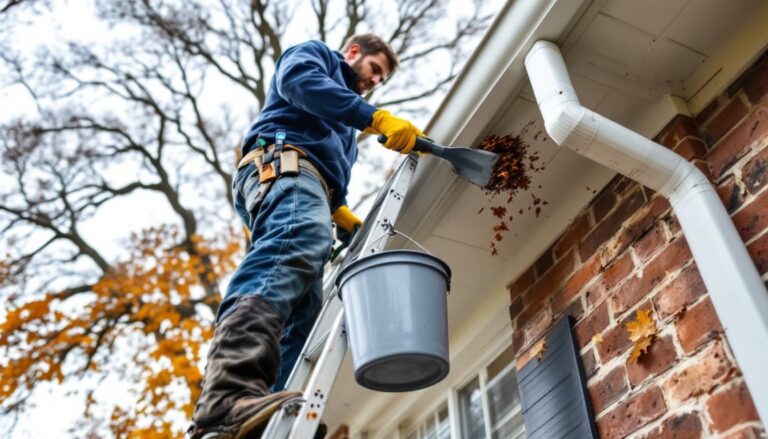
Federal Way homeowners know the Pacific Northwest delivers rain in generous amounts, roughly 38 inches per year, most of it from October through May. That constant moisture makes functional gutters non-negotiable. Clogged gutters don’t just overflow: they rot fascia boards, flood basements, kill landscaping, and invite carpenter ants to set up shop in damp wood. Whether you’re tackling the job yourself or hiring help, understanding what gutter cleaning involves, and when to do it, can save thousands in water damage repairs. This guide covers everything from ladder safety to hiring pros, with practical steps and local insights for keeping your Federal Way gutters flowing freely.
Table of Contents
ToggleKey Takeaways
- Federal Way’s Pacific Northwest climate with 38 inches of annual rainfall and year-round tree debris makes gutter cleaning essential to prevent water damage, foundation issues, and pest infestations.
- Schedule gutter cleaning twice yearly—late May and late November—with quarterly cleanings recommended for homes surrounded by maples, firs, or other heavy-shedding trees.
- DIY gutter cleaning requires proper equipment, ladder safety practices, and 3–6 hours of work per cleaning; hire professionals for two-story homes or steep roof pitches to avoid injury risks.
- Red flags warranting immediate gutter cleaning include overflowing water, sagging gutters, foundation pooling, and visible moss or plant growth indicating months of accumulated debris.
- Professional gutter cleaning services in Federal Way cost $100–$350 depending on home height and debris load; verify insurance, request written estimates, and confirm debris disposal is included.
- Extend gutter lifespan to 20–30 years by trimming overhanging branches, maintaining proper pitch, sealing seams, and installing guards if tree cover is heavy.
Why Gutter Cleaning Matters in Federal Way’s Climate
Federal Way sits in a convergence zone where Puget Sound’s marine air meets the foothills, creating microclimates that dump rain without warning. The area’s Douglas firs, Western red cedars, and ubiquitous maples shed needles, cones, and leaves year-round, not just in autumn. Combine that debris with 30+ inches of annual rainfall, and gutters become clogged fast.
When gutters overflow, water cascades down siding and pools at the foundation. Most Federal Way homes sit on clay-heavy soils that drain poorly, so standing water quickly finds its way into crawl spaces and basements. Over time, chronic moisture rots sill plates (the treated lumber that sits on your foundation), creates mold colonies in wall cavities, and attracts moisture-loving pests like termites and carpenter ants.
Fascia boards, the vertical trim behind your gutters, are typically made from 1×6 or 1×8 cedar or fir. When gutters stay full, water wicks into that wood. Cedar resists rot better than fir, but neither lasts long under constant saturation. Replacing rotted fascia runs $8–$15 per linear foot in materials alone, plus labor if you hire a carpenter. That’s before you address any sheathing or rafter-tail damage hidden behind it.
Gutter maintenance also protects landscaping. Overflowing gutters create soil erosion channels and drown shrubs planted too close to the foundation. If you’ve invested in rhododendrons, azaleas, or hydrangeas, common in Federal Way yards, you don’t want a seasonal deluge killing root systems.
When to Schedule Gutter Cleaning in Federal Way
Most Federal Way homes need gutters cleaned twice a year minimum: late spring (May) and late fall (November). Homes with overhanging trees, especially maples, alders, or firs, may need quarterly cleanings.
Late spring cleaning removes winter debris: fir needles, moss chunks, and the cottony seed fluff from cottonwoods. This prepares gutters for the dry summer months, when any remaining organic matter bakes into a tarry sludge that’s harder to remove later.
Late fall cleaning happens after deciduous trees drop their leaves but before the heavy rains arrive in December. Maples and alders lose leaves in October and early November in Federal Way, so schedule cleaning mid-to-late November. Don’t wait until the first storm, wet leaves compact into a dense mat that blocks downspouts completely.
If your home is surrounded by conifers, add a mid-winter check in January or February. Fir and cedar drop needles constantly, and windstorms knock down branch debris. A quick inspection from the ground with binoculars can reveal clogs without climbing a ladder in wet weather.
Some homeowners in gutter cleaning Washington state tie cleaning to daylight savings time changes, spring forward in March, fall back in November, as a simple memory aid. Whatever schedule you choose, consistency matters more than perfection.
DIY Gutter Cleaning: Tools and Step-by-Step Instructions
Cleaning gutters yourself saves money, but it’s physical work that requires comfort on a ladder. If your home is two stories or has steep roof pitches above 6:12, seriously consider hiring pros.
Tools and materials you’ll need:
- Extension ladder rated for your weight plus 50 lbs (Type I or Type IA)
- Ladder stabilizer or standoff bracket to keep the ladder off gutters
- Work gloves (nitrile-dipped or leather: avoid cotton, which soaks through)
- 5-gallon bucket with an S-hook to hang from the ladder
- Gutter scoop or plastic trowel (metal tools can dent aluminum gutters)
- Garden hose with a spray nozzle or pressure washer attachment
- Safety glasses to keep debris out of your eyes
- Rubber-soled boots with good tread
Step-by-step process:
-
Set up your ladder safely. Place it on level ground, extend it at least 3 feet above the gutter line, and use a 4:1 angle ratio (for every 4 feet of height, place the base 1 foot from the wall). A stabilizer prevents crushing gutters and gives you a stable platform.
-
Start near a downspout. Scoop debris into your bucket, working away from the downspout opening. Remove all leaves, needles, and sludge by hand or with the scoop. Don’t push debris toward the downspout, it’ll clog.
-
Check downspout flow. Once a section is clear, spray water from the hose into the gutter. It should flow freely into the downspout and out the bottom. If water backs up, the downspout is clogged.
-
Clear downspout clogs. Tap the outside of the downspout with your hand to feel for blockages. If you find one, use a plumber’s snake or unhook the downspout elbow at the bottom and flush from below with the hose. For stubborn clogs, a pressure washer set to 1,500–2,000 PSI works, but avoid higher pressure that can separate seams.
-
Inspect for damage. While you’re up there, check for loose gutter spikes, sagging sections, or separated seams. Most homes use either spike-and-ferrule hangers (a long nail through a tube) or hidden hangers clipped to the gutter lip. If gutters sag, hangers may need repositioning every 24 inches instead of 36.
-
Flush the entire run. Once debris is removed, run water through the full gutter length to confirm proper slope. Gutters should pitch about 1/4 inch per 10 feet toward downspouts. If water pools, hangers may need adjustment.
Essential Safety Tips for Cleaning Gutters
Never lean or overreach from a ladder. Reposition frequently, it’s slower but safer. Falls from ladders cause over 160,000 ER visits annually in the U.S., and most happen from heights under 10 feet.
Avoid power lines. If your gutters run near service lines, don’t use metal ladders or tools. Aluminum conducts electricity. If you must work near lines, hire a professional.
Work with a partner. Have someone foot the ladder (hold the base steady) and hand you tools. If you’re working alone, tell someone your plan and keep your phone accessible.
Wear eye protection. Decomposed leaves host mold, bacteria, and insects. Getting that mix in your eyes is miserable and potentially infectious.
Check the weather. Don’t clean gutters in rain, high wind, or when roof surfaces are icy. Wet roofs are slip hazards, and wind can destabilize ladders.
If your home has gutter guards installed, check the manufacturer’s cleaning recommendations. Some mesh systems still need annual debris removal, and walking on certain guard types can void warranties.
Signs Your Federal Way Gutters Need Immediate Attention
Certain red flags mean your gutters need cleaning now, not next month:
Water spilling over the gutter edge during rain. This indicates a full blockage, either in the gutter trough or the downspout. Left unchecked, overflowing water undermines foundation drainage systems.
Sagging or pulling away from the fascia. Gutters full of wet debris weigh significantly more than empty ones. A 20-foot section clogged with saturated leaves can add 50+ pounds of load, bending hangers and pulling fasteners out of the fascia.
Staining or mildew on siding below the gutter line. Vertical streaks or green/black stains suggest chronic overflow. Mildew on vinyl or fiber cement siding indicates moisture is reaching sheathing or insulation behind it.
Plants growing in gutters. If you see moss, grass, or even small seedlings sprouting, enough organic matter has accumulated to create a growing medium. That’s several seasons’ worth of neglect.
Pooling water near the foundation after rain. If downspouts aren’t discharging water at least 4–6 feet from the foundation, or if they’re clogged entirely, water collects at the base of your home. In Federal Way’s clay soils, that water doesn’t percolate, it sits and eventually seeps in.
Ice dams in winter. Though less common in Federal Way than in the Cascades, ice dams still form when clogged gutters prevent snowmelt from draining. Ice backs up under shingles, melting into the attic and causing ceiling stains and insulation damage.
If you notice any of these issues, inspect and clean gutters immediately. Many home repair cost guides show that foundation repairs or siding replacement far exceed the cost of routine gutter maintenance.
Hiring Professional Gutter Cleaning Services: What to Expect
Professional gutter cleaning in Federal Way typically costs $100–$250 for a single-story home and $150–$350 for two stories, depending on linear footage, home height, and debris load. Prices fluctuate by season, expect higher rates in November when demand spikes.
Reputable services include debris removal, downspout flushing, and a basic visual inspection of gutter condition. Some also offer minor repairs like resealing joints or tightening hangers for an additional fee. Many homeowners in gutter cleaning Auburn WA and surrounding areas use similar services, as regional weather patterns create consistent demand.
What to look for when hiring:
- Insurance. Confirm the company carries general liability and workers’ compensation. If an uninsured worker falls off your roof, you could be liable. Ask for a certificate of insurance and verify it with the carrier.
- References or reviews. Check online reviews, but also ask for recent customer references. A company with a track record in Federal Way will understand local tree species and common gutter issues.
- Written estimates. Avoid companies that quote over the phone without seeing the property. Gutter length, pitch, and accessibility all affect pricing.
- Equipment and process. Ask if they use blowers, hand-cleaning, or a combination. Blowers are fast but can miss compacted debris. Hand-cleaning is thorough but slower. The best crews do both.
- Disposal. Confirm debris removal is included in the price. Some services leave piles of wet leaves on your lawn.
Certain platforms maintain directories of rated gutter cleaning professionals that include verified reviews and licensing information, which can streamline the vetting process.
If you’re getting gutter guards installed, hire a company that specializes in both cleaning and installation. Guards reduce cleaning frequency but don’t eliminate it. Micro-mesh systems (like those with stainless steel screens) still need annual inspections to clear pine needles and roof grit.
Gutter Maintenance Tips to Extend the Life of Your System
Routine cleaning is essential, but a few additional steps can add years to your gutters and reduce long-term costs.
Trim overhanging branches. Keep tree limbs at least 6–8 feet away from your roofline. This reduces leaf and needle drop directly into gutters and prevents branch damage during windstorms. Use a pole saw or hire an arborist for branches above 15 feet.
Check gutter slope annually. Gutters should maintain a consistent 1/4-inch drop per 10 feet toward downspouts. Over time, hangers loosen or fascia boards warp, changing the pitch. Use a 4-foot level to check: adjust hangers as needed.
Seal leaking seams. Aluminum gutters develop leaks at mitered corners and end caps. Clean the area thoroughly, let it dry, then apply gutter sealant (butyl-based products outlast silicone in UV exposure). Avoid roofing tar, it doesn’t flex with temperature changes.
Extend downspouts away from the foundation. Downspout extensions should discharge water at least 4–6 feet from the house. Flexible corrugated extensions work but are prone to crushing. Rigid PVC extensions or buried drain lines connected to a dry well are more durable.
Inspect after major storms. High winds and heavy rain can dislodge hangers, fill gutters with debris, or knock downspouts loose. A quick post-storm check from the ground can catch issues before they worsen.
Consider gutter guards if you have heavy tree cover. Micro-mesh guards (stainless steel or aluminum mesh over a solid top) handle pine needles and small debris better than perforated vinyl. Expect to pay $7–$12 per linear foot installed. They don’t eliminate cleaning, but they reduce frequency to once every 2–3 years. Before investing, compare long-term costs using renovation planning resources to see if guards make financial sense for your property.
Repaint or reseal wood fascia. If you have wood fascia, repaint or apply exterior-grade stain every 3–5 years. Use a paint with mildewcide additives, Federal Way’s damp climate encourages mold and algae growth.
By staying ahead of small repairs and keeping debris out, most aluminum or vinyl gutter systems last 20–30 years. Copper gutters can exceed 50 years with proper care, though they’re rare in Federal Way due to cost.