Slow drains and backed-up sinks aren’t just inconvenient, they’re often early warnings of bigger plumbing issues. Arlington homeowners deal with unique drainage challenges, from aging pipe infrastructure in older neighborhoods to root intrusion from the area’s mature tree canopy. Whether you’re facing a stubborn kitchen clog or a shower that won’t drain, understanding when to DIY and when to call for professional arlington drain cleaning can save time, money, and a flooded bathroom. This guide breaks down the common culprits behind clogged drains, proven cleaning methods you can try yourself, and the red flags that mean it’s time to bring in a pro.
Table of Contents
ToggleKey Takeaways
- Arlington drain cleaning problems stem from aging pipe infrastructure, grease buildup, hair clogs, tree root intrusion, and hard water deposits that require different treatment approaches.
- DIY methods like baking soda and vinegar, hot water flushing, and mechanical tools (plungers and snakes) effectively handle minor clogs, but professional drain cleaning is necessary for recurring issues, multiple backups, or clogs beyond 15 feet.
- Red flags requiring immediate professional help include water backing up into basements, sewage odors, tree root intrusion, and multiple drains backing up simultaneously—all signs of main sewer line problems.
- Prevent costly drain issues by installing mesh screens, avoiding grease and non-flushable items, flushing drains with hot water daily, and scheduling professional maintenance every 18-24 months for homes over 30 years old.
- Professional drain cleaning services in Arlington typically cost $150-$300 for basic clearing, $200-$400 for camera inspections, and $350-$600 for hydro-jetting, with main sewer line replacement reaching $3,000-$10,000+ depending on severity.
Common Causes of Drain Clogs in Arlington Homes
Arlington’s mix of historic homes and newer construction means drainage issues come in all forms. Older properties often feature cast iron or galvanized steel pipes that corrode over time, creating rough interior surfaces where debris accumulates. These materials were common in homes built before the 1970s and can develop significant buildup after decades of use.
Grease and food waste top the list for kitchen sink clogs. Even small amounts of cooking oil solidify as they cool in pipes, trapping coffee grounds, eggshells, and fibrous vegetables. Garbage disposals don’t eliminate this problem, they just chop waste into smaller pieces that still cling to pipe walls.
Bathroom drains battle a different enemy: hair combined with soap residue. A single shower can shed 50-100 hairs, and when mixed with soap scum and body oils, they form dense clogs that catch more debris over time. Pop-up drain stoppers in sinks collect this material but rarely get cleaned regularly.
Tree root intrusion affects many Arlington properties, particularly those with mature oaks, maples, and willows. Roots seek moisture and can penetrate even small cracks in sewer lines. Once inside, they expand and catch passing waste, creating blockages that worsen during growing season.
Hard water deposits present another challenge. Arlington’s water hardness varies by neighborhood, but mineral buildup, primarily calcium and magnesium, gradually narrows pipe diameter. This doesn’t cause sudden clogs but reduces flow capacity, making other blockages more likely.
Foreign objects account for emergency calls, especially in homes with young children. Toys, hygiene products, and “flushable” wipes (which aren’t truly flushable even though marketing claims) cause immediate backups. Wipes don’t break down like toilet paper and are a leading cause of municipal sewer problems.
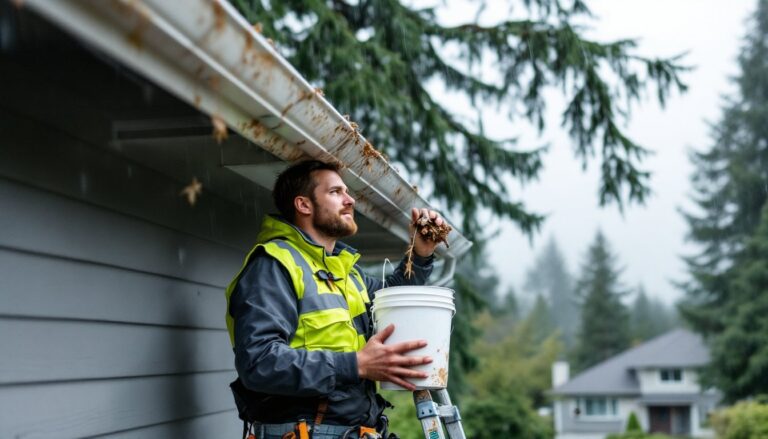
Seasonal factors matter too. Fall brings leaf debris that can enter outdoor drains and cleanouts, while winter freeze-thaw cycles can shift pipe joints and create new infiltration points for roots and soil.
DIY Drain Cleaning Methods That Actually Work
Before calling for help, homeowners can tackle most minor clogs with the right approach and tools. Success depends on using methods appropriate to the clog type and location.
Natural Solutions: Baking Soda, Vinegar, and Hot Water
The baking soda and vinegar method works for light organic buildup but won’t clear solid obstructions. Remove standing water first, then pour ½ cup of baking soda down the drain, followed by ½ cup of white vinegar. The fizzing reaction helps break down soap scum and minor grease deposits.
Cover the drain with a wet cloth and wait 30 minutes. The cloth traps the reaction’s pressure, forcing it against the clog instead of escaping upward. Flush with a full kettle of boiling water, not just hot tap water. Boiling water melts grease more effectively and carries loosened debris through the system.
This method won’t harm pipes and costs under a dollar per treatment. Repeat if needed, but if three attempts don’t improve drainage, the clog likely requires mechanical removal. Skip this entirely for completely blocked drains with standing water, you need physical intervention first.
Hot water alone handles fresh grease clogs in kitchen lines. Boil a gallon of water and pour it slowly in stages, allowing heat to penetrate between pours. This works best immediately after noticing slow drainage, before grease hardens completely. Never use boiling water on PVC drainpipes connected to toilets, the heat can soften joints and cause leaks.
Mechanical Tools: Plungers, Snakes, and Augers
Cup plungers (the traditional bell-shaped design) work for sinks and tubs, while flange plungers with an extended rubber flap are essential for toilets. The key is creating a proper seal. Run enough water to cover the plunger cup, position it directly over the drain opening, and use forceful, rhythmic thrusts.
Push down slowly to expel air, then pull up sharply. The suction on the upstroke often dislodges clogs more effectively than the downward pressure. Continue for 15-20 strokes before checking results. For double sinks, plug the second drain with a wet rag, otherwise you’ll just push water back and forth without building pressure.
Drain snakes (also called hand augers) reach clogs that plungers can’t. Basic models extend 15-25 feet and cost $15-$30. Insert the cable end into the drain, feeding it slowly while rotating the handle clockwise. You’ll feel resistance when you hit the clog.
Continue rotating and pushing gently, forcing it can damage pipes or get the snake stuck. When you break through, pull the snake out slowly. The corkscrew tip often hooks hair clogs and pulls them free. Clean the snake thoroughly after use: dried debris makes future use harder.
Closet augers are specialized tools for toilet clogs, with a protective rubber sleeve that prevents porcelain scratching. The shorter 3-6 foot cable is sufficient since toilet traps are close to the bowl. According to Family Handyman, closet augers resolve most toilet blockages without requiring removal of the fixture.
Power augers (also called drum augers or rooters) handle serious clogs in main drain lines. These motorized tools extend 50-100 feet and cut through tree roots, but they require skill to operate safely. Improper use can puncture old pipes, especially cast iron. Rent these for $40-$60 per day only if you’re comfortable with power tools and understand your pipe material and condition.
Always wear work gloves and safety glasses when using mechanical drain tools. Splashback from clogs can contain bacteria, and cables under tension can whip unexpectedly if they snag or break free suddenly.
When to Call a Professional Drain Cleaning Service in Arlington
Some drainage problems exceed DIY capabilities and require professional equipment or expertise. Recognizing these situations prevents pipe damage and more expensive repairs.
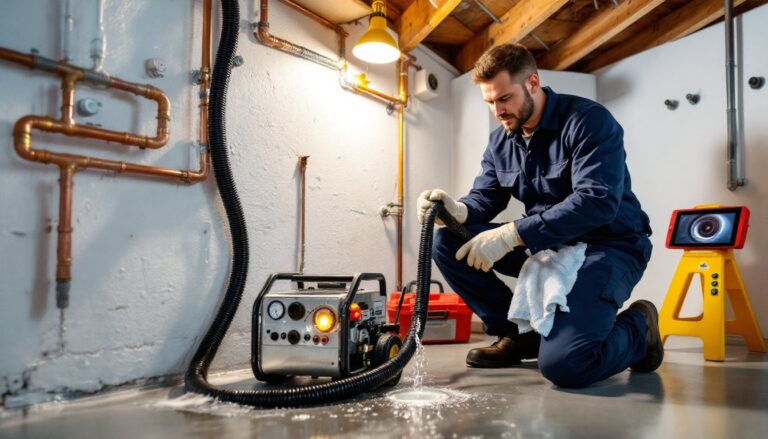
Multiple drain backups indicate a main sewer line problem, not isolated fixture clogs. If water backs up in the basement floor drain when you flush an upstairs toilet, or if the kitchen sink gurgles when you run the washing machine, the blockage is in your shared drain stack or the lateral line to the street. These require professional augering or hydro-jetting, which uses high-pressure water jets to scour pipe interiors.
Homeowners dealing with recurring issues in the same drain should consider professional help. Monthly clogs suggest underlying problems: deteriorating pipes, improper venting, or bellied sections where waste accumulates. Professional plumbers can run camera inspections through cleanouts to identify structural issues that DIY methods won’t fix.
Sewage odors from drains signal serious problems. While dry P-traps (the curved pipe sections that hold water to block sewer gas) cause temporary odors easily fixed by running water, persistent smells indicate venting problems or cracked drainpipes venting gases into walls. These issues require professional diagnosis and often involve cutting into walls or ceilings.
Call immediately for water backing up from floor drains or basement toilets. This indicates sewer line blockage that can cause extensive water damage. Don’t use any fixtures until the line is cleared, every gallon you send down adds to the backup.
Tree root intrusion needs professional treatment once roots establish inside pipes. While mechanical snakes can temporarily clear root clogs, they grow back within months. Professional plumbers use specialized cutting heads on power augers designed for root removal, and can recommend longer-term solutions like pipe relining or replacement.
For reliable assistance, homeowners can research top-rated drain cleaning services in Arlington to compare options and read verified customer reviews.
Professional help becomes necessary when clogs are beyond 15 feet from the drain opening, the typical reach of homeowner tools. Main line clogs often occur 30-50 feet out where the lateral meets the municipal sewer, requiring commercial-grade equipment.
Certain situations demand licensed plumbers by code. If drain problems coincide with slow water flow throughout the house, you might have water supply issues too, requiring work on pressurized plumbing. Any work involving main sewer line replacement or pipe cutting needs permits and inspections in Arlington, and many insurance policies void coverage if unlicensed individuals perform this work.
Cost varies significantly by problem severity. Simple drain clearing runs $150-$300, while camera inspections add $200-$400. Hydro-jetting typically costs $350-$600 depending on line length and blockage severity. Main sewer line replacement can reach $3,000-$10,000+ based on depth, distance, and whether excavation or trenchless methods are used. These ranges reflect 2026 Northern Virginia pricing but vary with property specifics.
Using project cost estimators from services like HomeAdvisor helps homeowners budget for professional drain work and compare local contractor quotes.
Preventative Maintenance Tips to Keep Your Drains Clear
Preventing clogs takes less effort than clearing them. Consistent habits protect pipes and extend their service life.
Never pour grease down kitchen drains. Let cooking oils cool in the pan, then wipe with paper towels before washing. Even small amounts accumulate over time. For unavoidable grease exposure, flush the drain with boiling water weekly, not after each incident, which won’t help, but as regular maintenance.
Install mesh drain screens in all sinks, tubs, and showers. These inexpensive covers (typically $3-$8 each) catch hair, food particles, and debris before they enter pipes. Clean them every few days, a screen full of hair isn’t doing its job. Pop-up stoppers in bathroom sinks should be removed and cleaned monthly: they collect surprising amounts of hair and gunk.
Flush drains with hot water after daily use, especially in bathroom sinks and showers. Run hot tap water for 30-60 seconds to keep soap residue and oils moving through pipes rather than coating walls. This simple habit prevents the gradual buildup that eventually becomes a clog.
Limit garbage disposal use and avoid problematic items. Never grind fibrous vegetables (celery, asparagus, corn husks), expandable foods (rice, pasta), or hard materials (bones, fruit pits). Run cold water during and after grinding, it keeps grease solid so it passes through rather than coating pipes. Hot water during disposal use actually makes grease problems worse.
Enzymatic drain cleaners offer monthly preventative maintenance without harsh chemicals. These biological products use bacteria cultures to digest organic matter in pipes. Pour the recommended amount down drains before bed when they won’t be used for several hours, allowing enzymes time to work. These won’t clear existing clogs but prevent buildup when used regularly.
Avoid chemical drain cleaners like sodium hydroxide or sulfuric acid products for routine maintenance. While effective on some clogs, repeated use corrodes pipes, especially older metal drains and PVC joints. They’re also dangerous if misused and create toxic fumes when mixed with other cleaners. Reserve chemical cleaners for emergency use only, if at all.
Schedule professional drain cleaning every 18-24 months for preventative maintenance, even without apparent problems. Professional hydro-jetting removes accumulated scale and grease that gradual buildup doesn’t notice until it’s severe. This is particularly worthwhile for homes over 30 years old or properties with large trees near sewer lines.
Inspect outdoor cleanouts and drain grates seasonally. Remove leaves, twigs, and debris that can enter the system. Many basement backups start with clogged exterior drains that redirect water into foundations and floor drains.
Educate household members on what belongs in drains. Toilets accept only human waste and toilet paper, truly nothing else. “Flushable” wipes, dental floss, cotton swabs, and feminine hygiene products all cause clogs and municipal sewer problems. Keep a small trash can in every bathroom to eliminate the temptation.
For homes with septic systems, prevention becomes even more critical. Use septic-safe products, limit water softener discharge, and have the tank pumped every 3-5 years. Septic drain field failures cost $5,000-$20,000 to repair, far more than maintaining the system properly.
Conclusion
Maintaining clear drains combines smart prevention, knowing which DIY methods match specific problems, and recognizing when professional help saves money in the long run. Arlington’s varied housing stock and mature landscaping create unique drainage challenges, but regular maintenance and quick response to slow drains prevent most major problems. Keep basic tools on hand, establish drain-friendly household habits, and don’t hesitate to call professionals when issues exceed typical homeowner capability, your pipes will last longer and your weekends will stay stress-free.