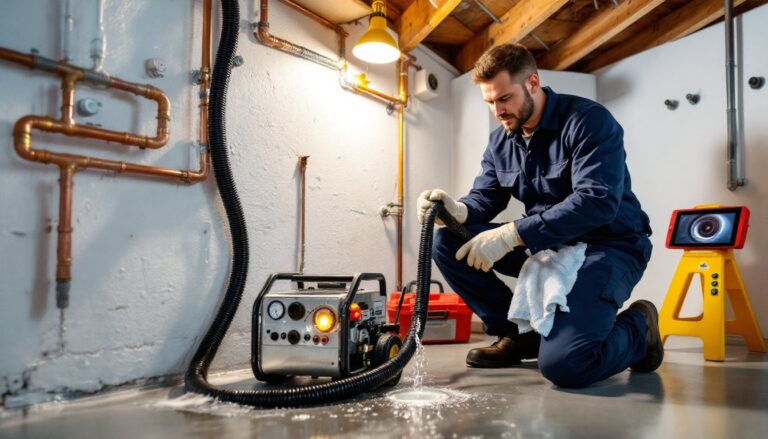
A slow drain doesn’t always need a plumber or harsh chemicals. Before you pour another bottle of drain cleaner down the sink or call in a pro, consider a simpler, mechanical solution: the drain cleaning brush. These low-tech tools have been clearing hair, soap scum, and grease from household drains for decades, and they work without the risk of corroding your pipes or introducing toxic fumes into your home. Whether you’re dealing with a sluggish bathroom sink or a slow-draining shower, a good drain brush can often solve the problem in minutes, no gloves, no waiting, no chemical burns.
Table of Contents
ToggleKey Takeaways
- A drain cleaning brush offers a safe, chemical-free mechanical solution to clear hair, soap scum, and grease from household drains in minutes.
- Flexible snake brushes navigate bends and P-traps for bathroom sinks and showers, while rigid tube brushes excel at scrubbing sticky residue in kitchen drains and vertical pipe sections.
- Proper technique—inserting slowly, working the brush back and forth, and flushing with hot water—ensures effective clog removal without damaging older galvanized or plastic pipes.
- Running a drain cleaning brush every few months as preventive maintenance can stop buildup and slow drainage before they become serious problems.
- Drain brushes cost $5–$30 depending on durability and features, making them an affordable alternative to chemical cleaners or professional plumbers for routine drain maintenance.
What Is a Drain Cleaning Brush and How Does It Work?
A drain cleaning brush is a manual tool designed to physically remove clogs and buildup from inside drain pipes. Most models consist of a long, flexible or rigid handle with stiff bristles arranged in a cylindrical or spiral pattern. The bristles scrub the interior walls of the pipe as you push, twist, and pull the brush through the drain.
Unlike chemical drain cleaners that dissolve organic material (and sometimes your pipes), brushes rely on mechanical action. You insert the brush into the drain opening, work it past the trap, and scrub away hair, soap residue, grease, and other gunk that accumulates on pipe walls. The debris either gets pulled out on the bristles or breaks loose and washes away when you flush the drain with hot water.
Most drain brushes range from 18 inches to 48 inches in length, which is enough to reach past most P-traps and into the horizontal drain run. Some are designed for specific drains, narrow brushes for sink drains, wider ones for tubs and showers. The bristles are typically made from nylon, polypropylene, or stainless steel, chosen for their resistance to moisture and cleaning chemicals.
Types of Drain Cleaning Brushes for Different Clogs and Pipes
Not all drain brushes are created equal. The right type depends on the drain size, the nature of the clog, and how far down the pipe you need to go. Here’s what you’ll find on the market.
Flexible Snake Brushes
Flexible snake brushes (also called drain auger brushes or cable brushes) feature a coiled wire or flexible steel cable core with bristles attached along the length. The flexibility lets them navigate bends in the drainpipe, including the curves of a P-trap or the turns in a shower drain.
These brushes typically measure 24 to 48 inches long and come in diameters from 1/4 inch to 1 inch. The narrow profiles work well in bathroom sinks and tub drains where hair and soap are the main culprits. Some versions include a small crank handle at the end, allowing you to rotate the brush as you push it through, this twisting action helps the bristles grab onto hair clumps and pull them out.
Flexible brushes are ideal for routine maintenance and light clogs. They won’t clear a full blockage caused by a foreign object or tree roots, but for monthly drain cleaning to prevent buildup, they’re hard to beat. Popular among top drain cleaning tools, flexible snake brushes are gentle enough for regular use without scratching older galvanized or plastic drain lines.
Rigid Tube Brushes
Rigid tube brushes have a stiff handle, usually plastic or metal, with a cylindrical brush head at one end. They look like oversized bottle brushes and are designed for scrubbing rather than snaking. The rigid design means they can’t navigate tight bends, so they’re best for straight runs or the vertical drop from a sink to the trap.
These brushes come in a wide range of sizes, from 1/2 inch to 3 inches in diameter, to match different drain pipe sizes. Smaller versions work well for bathroom sink pop-up drains, while larger models are suited for kitchen sinks, floor drains, or even washing machine standpipes.
Rigid brushes excel at scrubbing away sticky residue, grease in kitchen drains, toothpaste and soap scum in bathroom sinks. You can also use them to clean the underside of sink stoppers and the upper section of the drain before you disassemble the P-trap. Many professionals keep a set of these on hand for periodic maintenance on commercial kitchen drains.
How to Use a Drain Cleaning Brush: Step-by-Step Instructions
Using a drain brush is straightforward, but following the right sequence makes the job faster and cleaner. Here’s the process for a typical bathroom sink or tub drain.
-
Remove the drain cover or stopper. Most bathroom sink stoppers lift out with a twist or can be unscrewed. Tub drains may have a snap-in strainer or a screw-on cover. Keep the screws in a small container so they don’t roll into the drain.
-
Put on gloves and eye protection. You’re about to pull out wet hair and sludge. Disposable nitrile gloves work fine. Safety glasses protect against splashback if you’re working overhead or if you’ve recently used any cleaning chemicals in the drain.
-
Insert the brush slowly. Feed the brush into the drain opening, gently pushing it past the initial curve. If you’re using a flexible snake brush, guide it with a slight twisting motion to help it navigate bends. Don’t force it, if you hit solid resistance, you may have reached the clog or a sharp turn in the pipe.
-
Work the brush back and forth. Once the brush is as far in as it will go, pull it back a few inches and push it in again, rotating as you go. This scrubbing motion loosens debris clinging to the pipe walls. For rigid brushes, use short, firm strokes to scrub the accessible section of the drain.
-
Pull out the brush and clean it. Withdraw the brush slowly. You’ll likely bring up clumps of hair, soap scum, and other gunk. Wipe the brush clean with paper towels or an old rag, then repeat the process until the brush comes out relatively clean.
-
Flush the drain with hot water. Run hot tap water for 2 to 3 minutes to wash away any loosened debris. If the drain flows freely, you’re done. If it’s still sluggish, repeat the brushing process or consider disassembling the P-trap for a more thorough cleaning.
-
Sanitize the brush. Rinse the brush thoroughly with hot water and a bit of dish soap, then let it air-dry. Store it in a dry location to prevent mildew on the bristles.
Always work carefully around older pipes. Galvanized steel and thin-wall plastic can crack if you twist or push too hard. If you’re unsure about the condition of your pipes, start gently and increase pressure only if needed.
Common Drain Problems You Can Solve with a Cleaning Brush
Drain brushes handle a surprising variety of everyday clogs and maintenance tasks. Here are the most common scenarios where a brush is the right tool for the job.
Hair clogs in bathroom sinks and showers. This is the number-one use case. Hair combines with soap and body oils to form dense mats that cling to drain walls and catch on the P-trap. Flexible snake brushes pull these out easily, often in a single pass.
Soap scum and toothpaste buildup. Over time, soap residue hardens on pipe walls, narrowing the drain opening. Rigid tube brushes scrub this buildup away without the need for harsh chemicals. Run the brush monthly to prevent the problem from recurring.
Grease accumulation in kitchen sinks. Grease coats the inside of drain pipes and traps food particles. While a brush won’t solve a full grease clog (you may need to disassemble the trap or use an enzymatic cleaner), it can scrub away light grease films and keep drains flowing between deep cleanings.
Slow-draining tubs and showers. If water pools around your feet during a shower, the problem is usually a partial clog just below the drain grate. Cleaning experts have found that manual brush-style tools effectively remove hair and soap without damaging fixtures.
Preventive maintenance. You don’t need to wait for a clog. Running a drain brush through your sinks and tubs every few months keeps buildup from reaching the point where it slows drainage. This is especially useful in homes with long hair or hard water.
Drain brushes won’t help with solid obstructions (toys, jewelry, tree roots), collapsed pipes, or clogs deep in the main line. If brushing doesn’t restore flow, or if multiple drains in your home are backing up at once, you may have a main sewer line issue that requires a plumber and a powered auger.
Choosing the Right Drain Cleaning Brush for Your Home
Picking the right brush comes down to matching the tool to your drain type and the clogs you’re most likely to face. Here’s what to consider.
Drain size and pipe material. Measure the drain opening or check your home’s plumbing specs. Bathroom sink drains are typically 1-1/4 to 1-1/2 inches in diameter: kitchen sinks and tubs are 1-1/2 to 2 inches. Choose a brush diameter that’s slightly smaller than the pipe to allow clearance. For PVC and ABS plastic drains, nylon or polypropylene bristles are gentle and effective. Stainless steel bristles work well on cast iron or galvanized steel, but use them cautiously on plastic to avoid scratching.
Flexibility and length. If you need to reach past a P-trap or navigate bends, go with a flexible snake brush at least 24 inches long. For straight vertical drops or scrubbing the drain opening itself, a shorter rigid brush is more efficient. Many homeowners keep both types on hand.
Handle design. Look for a handle with a comfortable grip, especially if you’ll be twisting the brush. Some models include a loop or hook at the end for hanging storage. A few higher-end brushes come with interchangeable heads in different sizes, which is handy if you have a mix of drain types in your home.
Bristle stiffness. Stiffer bristles scrub more aggressively but can scratch softer materials. Medium-stiffness nylon is a safe all-around choice. If you’re dealing with heavy grease or mineral buildup, stiffer bristles (or even wire) may be necessary, but test them in an inconspicuous section first.
Budget and durability. Basic drain brushes start around $5 to $10 and are disposable after a few uses. Mid-range models ($15 to $25) offer better bristle retention and more durable handles. Professional-grade brushes can run $30 or more, but they’ll last for years of regular use. For most homeowners, a $10 to $15 flexible snake brush and a $5 to $8 rigid tube brush cover the majority of household drain cleaning needs.
When comparing options, look for reviews that mention bristle shedding and handle flex. A brush that loses bristles in your drain creates a new problem, and a handle that bends under light pressure won’t last long. Tools featured in updated drain cleaning guides often balance affordability with durability for typical home use.
Finally, don’t overlook safety. If you have older pipes, a history of leaks, or any uncertainty about your plumbing, start with the gentlest brush and technique. A $10 tool is a bargain compared to a cracked drainpipe or an emergency plumber visit.